

Why Concrete Driveways Outperform Gravel and Tarmac
Which is the Best Option for Your Home?
When it comes to selecting the right material for your driveway, homeowners often face three common choices: Concrete, Gravel, and Tarmac. Each has its unique benefits and drawbacks, but concrete stands out for a variety of reasons, particularly for homeowners who want a long-lasting, durable, and aesthetically pleasing solution. In this guide, we’ll compare concrete driveways to gravel and tarmac to help you make an informed decision.
Durability and Lifespan
Concrete Driveways:
Concrete is renowned for its strength and durability. A properly installed and maintained concrete driveway can last between 25 to 50 years, depending on the climate and upkeep. It can withstand heavy vehicles and is less prone to damage compared to other materials.
- Resistant to wear and tear: Unlike gravel and tarmac, concrete doesn’t break down as easily under extreme temperatures or frequent use.
- Longevity: Concrete driveways often require fewer repairs and maintenance over the years.
Gravel Driveways:
Gravel driveways are inexpensive and easy to install but have a much shorter lifespan. Over time, the gravel can shift, spread, or get washed away, requiring regular replenishment.
- Shorter lifespan: Frequent maintenance is necessary as gravel can erode over time, especially in areas with heavy rainfall.
- Prone to shifting: Gravel driveways can become uneven and develop ruts.
Tarmac Driveways:
Tarmac driveways are also durable but tend to wear down faster than concrete due to exposure to the sun and heat, which can cause the surface to soften and degrade. The average lifespan is about 15 to 20 years, depending on the traffic and weather.
- Moderate durability: Tarmac needs regular sealing to maintain its longevity, and over time it can become brittle, leading to cracks.
- Affected by heat: In hot climates, tarmac can become soft, which may cause deformation under heavy loads.
Maintenance Requirements
Concrete Driveways:
Concrete requires minimal maintenance. Sealing every few years helps protect the surface, and occasional cleaning can keep it looking pristine. It’s also easier to repair cracks or surface damage without having to replace the entire driveway.
- Low maintenance: Only requires occasional cleaning and resealing.
- Long-term upkeep: Simple crack repairs can extend the lifespan significantly.
Gravel Driveways:
Gravel driveways are high-maintenance. Because the gravel shifts and spreads out, it needs to be replenished or regraded frequently to maintain a smooth surface. Weeds can also grow through the gravel, adding another maintenance challenge.
- High maintenance: Gravel needs regular top-ups and weed control.
- Susceptible to erosion: Driveways in hilly areas or those with poor drainage can experience erosion.
Tarmac Driveways:
Tarmac driveways require regular maintenance, including sealing every few years to prevent cracks from developing. They are also prone to oil and fuel stains, which can be difficult to remove.
- Sealing necessary: Every few years to prevent degradation.
- Susceptible to stains: Oil spills can stain the surface, requiring specific cleaning methods.
Aesthetic Appeal
Concrete Driveways:
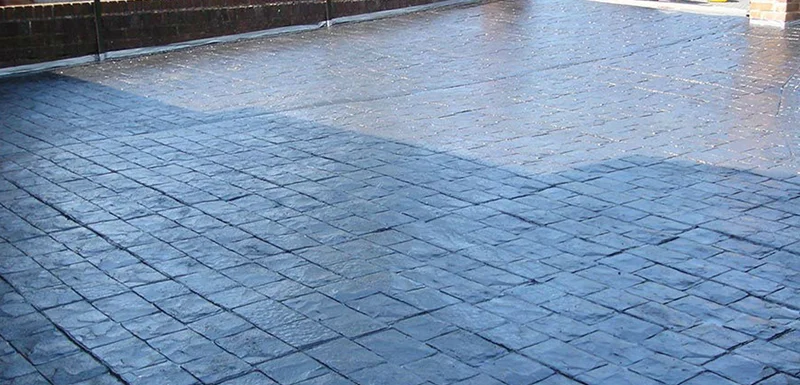
Concrete offers a wide variety of design options. It can be coloured, stamped, or textured to mimic more expensive materials such as stone or brick. This makes concrete an attractive choice for homeowners looking to enhance their curb appeal.
- Customisable: Can be stamped or coloured for a unique look.
- Modern appearance: Adds a sleek, clean look to any property.
Gravel Driveways:
Gravel has a more rustic appearance and is best suited for rural or traditional settings. While it offers some variety in colour and texture, it doesn’t provide the same level of sophistication or customisation as concrete.
- Limited design options: Mostly available in natural colours.
- Rural charm: Best for countryside homes or more casual settings.
Tarmac Driveways:
Tarmac offers a basic, no-fuss look. It’s typically black and doesn’t offer much in terms of customisation. While it can look neat and uniform, it lacks the design flexibility of concrete.
- Standard appearance: Limited to a smooth, black surface.
- Functional: Great for those who prefer a straightforward, practical look.
Cost
Concrete Driveways:
The initial cost of a concrete driveway is higher compared to gravel or tarmac, but this is offset by its durability and lower maintenance costs. A concrete driveway is a long-term investment that provides value over time due to its longevity and minimal repair needs.
- Upfront cost: Higher installation cost but long-term savings.
- Investment: Durable and requires less maintenance, providing better value over time.
Gravel Driveways:
Gravel is the cheapest option when it comes to installation, making it an attractive choice for those on a budget. However, frequent maintenance and replenishment add to the long-term cost.
- Low installation cost: Ideal for homeowners looking for an inexpensive solution.
- Higher maintenance costs: Needs frequent repairs and gravel top-ups.
Tarmac Driveways:
Tarmac is moderately priced, generally falling between gravel and concrete in terms of cost. While less expensive than concrete, its shorter lifespan and higher maintenance requirements mean you may need to replace or repair it more frequently.
- Mid-range cost: More affordable than concrete but requires regular maintenance.
- Ongoing expenses: Needs resealing and potential repairs.
Environmental Impact
Concrete Driveways:
Concrete is an environmentally friendly option when sourced from local suppliers. In addition, permeable concrete options allow water to filter through, reducing runoff and helping with drainage.
- Permeable options: Can improve drainage and reduce the impact on the local water table.
- Long-lasting: Fewer replacements mean less waste over time.
Gravel Driveways:
Gravel driveways have a low environmental impact during installation, but erosion can lead to sediment runoff, which may harm local ecosystems.
- Natural material: Low environmental footprint but requires frequent replenishment.
- Erosion risk: Can cause sediment runoff into waterways.
Tarmac Driveways:
Tarmac is made from petroleum-based materials, making it less environmentally friendly than concrete or gravel. Over time, tarmac can break down, releasing pollutants into the surrounding soil and water.
- Petroleum-based: Has a larger carbon footprint due to its material composition.
- Runoff concerns: Pollutants from tarmac can enter the water system as the material breaks down.
Weather Resistance
Concrete Driveways:
Concrete driveways are resistant to extreme weather conditions. They perform well in both hot and cold climates and are not affected by UV exposure or heat as tarmac is. However, freeze-thaw cycles in colder areas may lead to cracks if not properly maintained.
- Weather-resistant: Withstands heat, rain, and cold.
- Long-term performance: Proper sealing can help prevent freeze-thaw damage.
Gravel Driveways:
Gravel driveways are vulnerable to weather conditions. Rain can wash away the gravel, and snow removal is more challenging than with a solid surface.
- Erosion concerns: Heavy rain can wash gravel away.
- Snow removal: Difficult to clear snow without displacing the gravel.
Tarmac Driveways:
Tarmac is relatively durable in colder climates but may soften in high temperatures. It also tends to absorb heat, making it hot to the touch in summer, which can degrade the surface over time.
- Heat-sensitive: Can soften and deform in high temperatures.
- Cold weather durability: Performs better in colder climates but requires regular sealing.
Why Choose a Concrete Driveway over Tarmac or Gravel?
While gravel and tarmac both have their advantages, concrete is the superior choice for homeowners seeking durability, low maintenance, and aesthetic appeal. Though the upfront cost is higher, the long-term savings and potential to enhance curb appeal make concrete a solid investment. If you’re looking for a driveway that can withstand Dublin’s unpredictable weather and remain in great condition for decades, concrete is the best option for you.
Comments are closed